

Key Takeaways:
- Google’s search bar is evolving into a prompt box. Publishers must focus on the actual, natural-language questions readers ask rather than just targeting isolated keywords.
- ut the core answer (the 5 Ws) at the very top of the article. Use hyper-specific headers as “mini-headlines” to guide both AI search crawlers and skimmable readers.
- AI search rewards deep utility. Expand lists to include specific, actionable bullet points like parking advice, specific recommendations, and insider tips.
- Don’t just publish standalone pieces. Build trust with search engines by linking to libraries of your past content and showcasing the author’s deep history covering the topic.
Google’s announcement this week that it is changing its search bar for the first time in 25 years is a clear signal that publishers need to think differently about both the questions their content answers and how those stories are structured.
If you missed the news, Google’s search bar will be more like a prompt box going forward where single keywords won’t really be its purpose, but now it’s meant to be a more conversational-style experience.
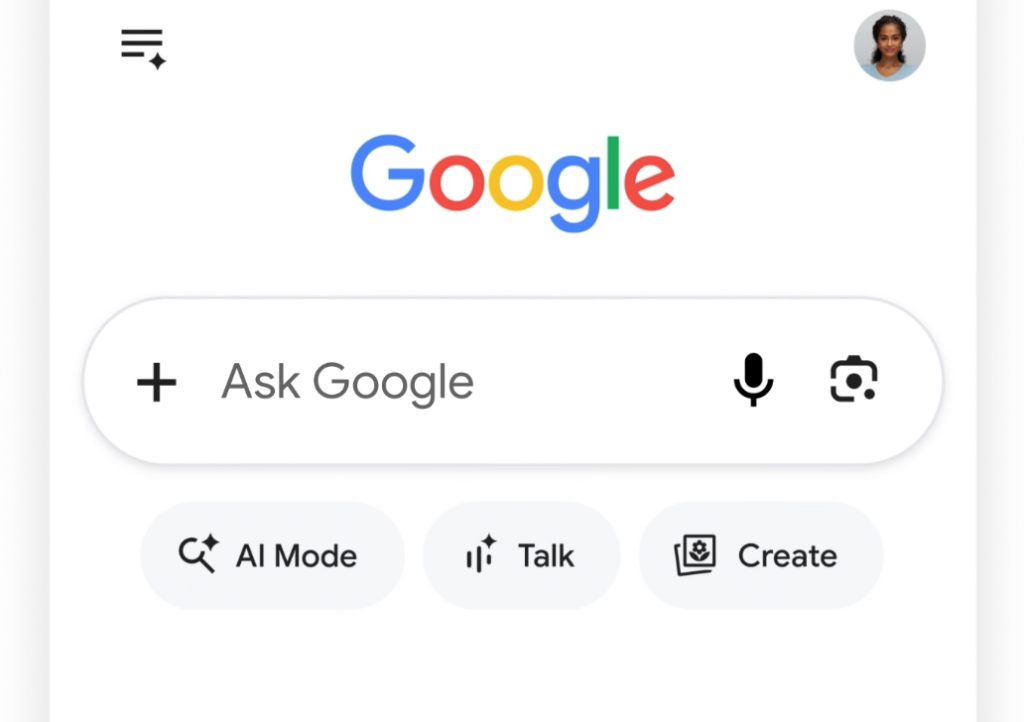
This shift is tied directly to how AI search tools now work, with users asking full conversational questions instead of simply typing in a few keywords.
Answers will be generated right there in the search bar/area with citations or branding for those who do a good job structuring their content and offering the kinds of details in their stories that Google is favoring.
This is a big change so I want to break down what publishers should be thinking about.
Less about keywords, more about questions
ne of the most important things to think about now are the actual questions readers have around a topic. Keywords still matter, but these AI-driven search tools are increasingly built around understanding conversational questions and surfacing the content that best answers them.
With each story, think about the key questions readers are likely to have and how you can structure the article to answer those questions efficiently.
That doesn’t mean every story needs to include 10 questions or that you have to turn everything into a FAQ. It just means that you should think about what readers actually need from the story and guide them through it with specific labels and headers. You simply have to make content more skimmable.
Here’s a good example: Let’s say you are writing a story about the best things to do in your city this holiday weekend for families. Instead of creating one large event roundup, go ahead and organize the story with headers that help readers do different things with the content.
Headline: Free and fun things to do with kids this weekend in [Your City]
Headers in your story:
- Best free family events this weekend
- Best outdoor festivals and activities
- Indoor things to do if the weather changes
- Best activities for toddlers and younger kids
- Worth-the-drive events outside the city
- Best Monday events before the holiday weekend ends
You may not have all of those events, but do what makes sense based on the content you have. This is more beneficial than just doing things by date. It also allows you to potentially repackage this content into separate posts.
This is how you should format your stories
The new SEO world requires writers to think differently about how they structure their stories, but also where they place specific information.
We’re really moving from putting keywords in specific places to providing more complete answers and information that people can use in their lives and that Google and LLMs can see so they can showcase high-quality answers.
These are the five most important things:
1. Put the answer high in the story: This is basic journalism stuff, but the core 5Ws are critical and they should be at the very top of the story. This really means that you need to clearly answer the question that you are raising in the headline.
2. Use headers that are specific: This doesn’t completely change past SEO guidance, but specific headers are becoming even more important as readers and AI tools scan stories for answers. Think of headers as mini headlines that help guide readers through the article and quickly point them to the information they care most about. This is important to do whether the header is a question or just a statement.
3. Add as many details as possible: This is important for lists especially where you want to bullet out things like dates, locations, age ranges and where to get more information. The more specific you can be the better. Think about additional bullets like:
What to order:
Where to park:
Advice from someone who has gone:
4. Create key takeaways and FAQ sections when they make sense: Don’t force key takeaways or FAQ sections into every story, but when they naturally fit, they can be very helpful for both readers and search. With FAQ sections just make sure you are not duplicating information.
5. Show that you own the topic: Don’t just link to stories, but show your depth by building libraries of your past content at the bottom of your stories. You can also showcase the reporter’s stories on that topic by listing out their latest coverage on the topic.
Need help growing audience and revenue?
🚀 Want to know how you can work with us? This page outlines our services, approach, current clients and more.
🌐 Follow our LinkedIn and Instagram pages to stay up to date on the latest in media, our blogs and recommendations.
📬 Sign up for our monthly LinkedIn newsletter which provides company updates, tips and more.
👋 You can always drop me a note by responding to this email, emailing david@davidarkinconsulting.com or calling 832 407 0188.
We'd love to help your organization! Fill out the form below to get started.
Recent Posts

Sep. 15, 2026
3 ways to turn data center coverage into ongoing audience products

Sep. 15, 2026
How newsletter resends can increase email opens and reach more readers

Sep. 14, 2026
6 Instagram strategies that are working for publishers right now

Sep. 01, 2026
How to write AEO-friendly ledes without losing your editorial voice

Sep. 01, 2026
50 fall content ideas that will help you grow your audience this season
Sign Up For Our Newsletter
Case Studies

Jul. 05, 2026
The Reels strategy helping one TV news anchor grow her audience

May. 27, 2026
How Pittsburgh Magazine created AI workflows their teams are now regularly using

Mar. 16, 2026
How a unique training program is helping a university newspaper learn the digital skills newsrooms need

Jul. 30, 2025
How analytics can make your content better and your sales case studies really effective

Feb. 06, 2025