

One of the most common best practices to follow right now when it comes to getting your content seen by Large Language Models (LLMs) like ChatGPT and Google AI Overviews is to include a clear answer as high up in the story as possible.
Why? It helps those LLMs more easily surface that information and potentially use it in a response to someone’s search query or prompt.
There’s also the benefit that following this practice is good for readers, who then don’t have to work so hard to get the information they came to your article seeking.
But one of the questions I’m getting from publishers is whether every story has to be structured this way for search success and what impact that format has on editorial voice.
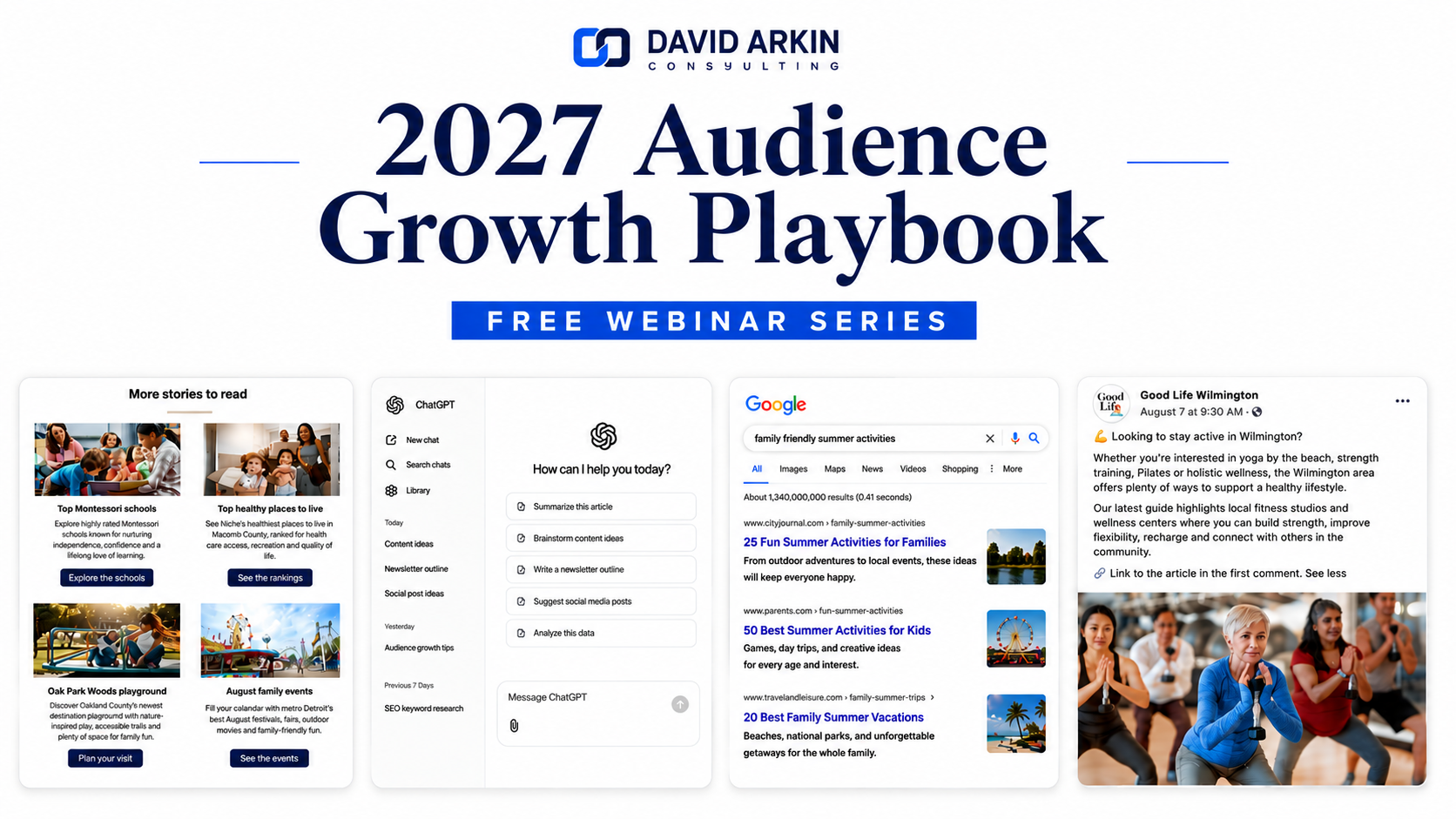
So I’m going to dig into this today. But before I do that, I want to remind you to sign up for our upcoming four-part webinar series in October, where this topic will very likely be discussed.
When should you include the answer first?
Much of this decision comes down to what the reader is expecting to experience when they open the article.
For example, if you pose a question like “What projects will the school bond fund?” then, yes, you should answer that immediately.
Or if you are telling someone how to do something (like a list) or if something is changing (like construction that is happening) then providing that answer quickly is the way to go.
I’d focus on the reader here as opposed to the AI machine. If your headline includes a question or makes a promise that you are going to deliver something, then it’s best to provide that information right away as opposed to making someone work hard to find it. Yes, that approach is good for AEO, but it’s also good for readers.
When does this approach not make sense?
Not every article’s goal is to provide a reader with an answer immediately. Profiles, enterprise stories and features are all good examples where this probably doesn’t make a ton of sense.
These kinds of stories often have a bit of a setup before getting into the core reporting. That may be something like introducing a person, establishing a scene or laying out a host of facts.
Trying to force those kinds of stories into an answer-first format can actually make them less engaging for readers. There will be times when what’s best for AEO and what’s best for the story aren’t exactly the same thing. When that happens, I’d prioritize the reader and the journalism.
What does an answer-first lede look like?
For news organizations, the first sentence should always make it clear why the information matters now. An answer alone may not be enough if readers don’t understand what makes it timely or relevant.
• Government meetings: Because what comes out of these meetings is usually pretty straight to the point (if the story is about a decision being made), city council and school board meetings are ideal for first-sentence answers.
Here’s an example: A long-vacant downtown shopping center will be replaced with apartments and restaurants under a $50 million redevelopment plan approved Tuesday by the Denver City Council.
• Events: Whether it’s a list of things to do this weekend or a focus on a specific event, the first-sentence answer approach is a real winner here. If you are handling a list with numerous items and there are dates to include, make sure to feature those in your first sentence while noting the city and some of the top things to do.
Here’s an example: Families looking for things to do with kids in Chicagoland Aug. 14-16 can choose from art festivals, back-to-school celebrations, outdoor concerts, community festivals and hands-on activities.
• How-to journalism: Anything that explains how something works or answers a clear question is a great fit for first-sentence answers. These stories often address questions readers are already asking and searching for, which makes a question-based headline a natural fit.
Here’s an example: With New Mexico’s voter registration deadline approaching ahead of the November election, residents can register online, by mail or in person through Oct. 6.
Here’s another example: With applications opening Monday for Aurora School District’s magnet programs, families have until Dec. 15 to apply online and rank their preferred schools.
• Business openings, closings and development: Generally, business news is well suited for answer-first approaches. That’s because there are typically clear answers you can provide, such as what’s opening or closing, when it is happening and who’s involved.
Here’s an example: Trader Joe’s will open its second Milwaukee-area store this fall in Brookfield, taking over the former grocery space at 12500 W. Bluemound Road.
We'd love to help your organization! Fill out the form below to get started.
Recent Posts
Sep. 01, 2026
How to write AEO-friendly ledes without losing your editorial voice

Sep. 01, 2026
50 fall content ideas that will help you grow your audience this season
Aug. 07, 2026
David Arkin Consulting launches 2027 Audience Growth Playbook, a free four-part webinar series for publishers

Jul. 28, 2026
Why branded content is the ultimate launch strategy for any new business

Jul. 20, 2026
How embeddable content can help grow search traffic and AI visibility
Sign Up For Our Newsletter
Case Studies
Jul. 05, 2026
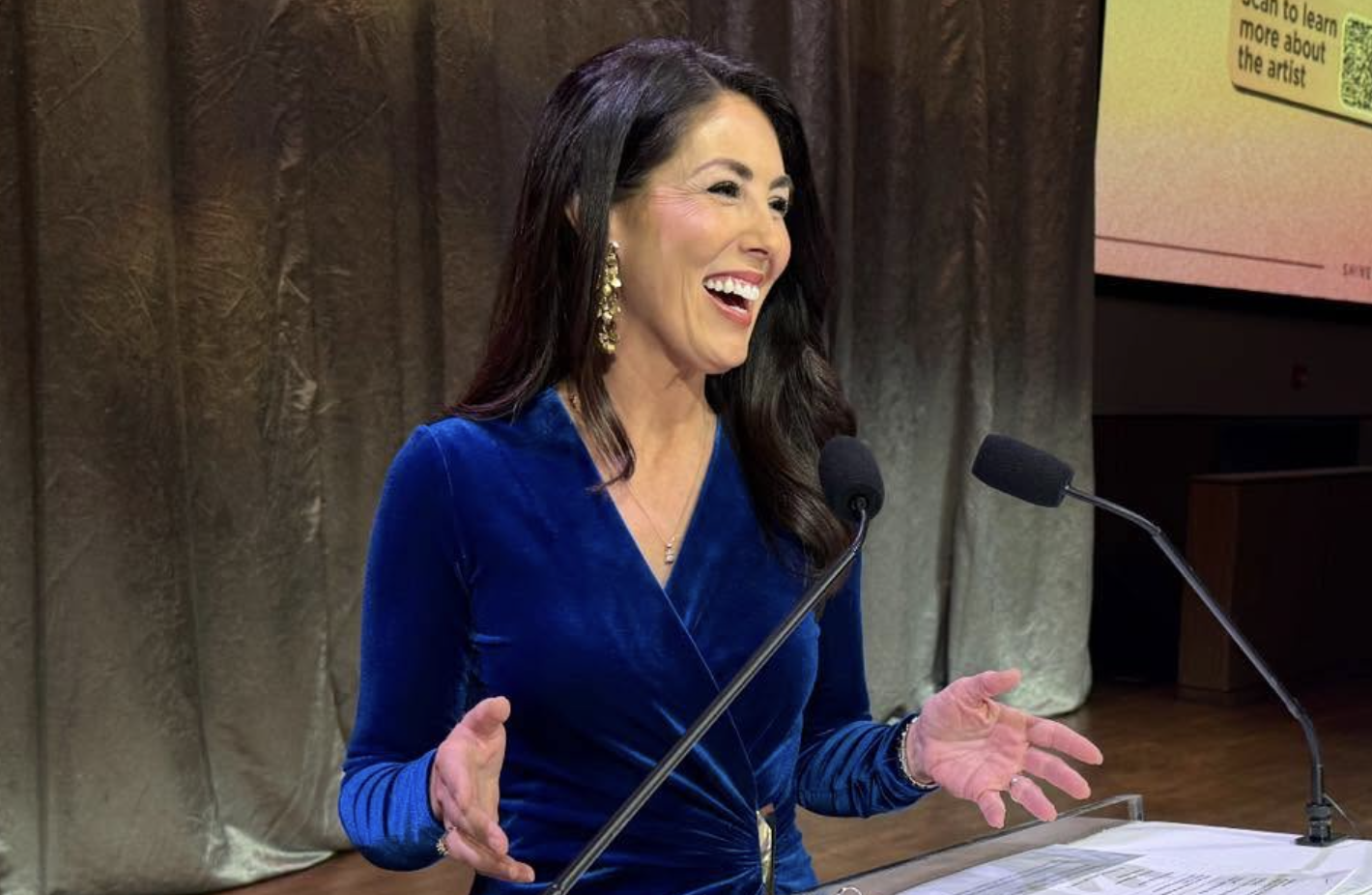
The Reels strategy helping one TV news anchor grow her audience

May. 27, 2026
How Pittsburgh Magazine created AI workflows their teams are now regularly using

Mar. 16, 2026
How a unique training program is helping a university newspaper learn the digital skills newsrooms need

Jul. 30, 2025
How analytics can make your content better and your sales case studies really effective

Feb. 06, 2025