
We are seeing some really interesting data points right now that are showing how valuable it is to write longer on Facebook when it comes to engagement metrics.
Facebook doesn’t explicitly favor longer posts, but it does prioritize posts that hold attention and lead to interaction. If a post keeps people reading, commenting, or sharing, it’s far more likely to be surfaced to a wider audience.
I want to go through a few details that I think could be helpful as you consider how to manage your content on the platform.
Where longer posts work best
Longer posts don’t work in all instances, but here are some examples where they really do:
- Explaining complicated stories, especially those with significant background and hard-to-understand language.
- Service journalism like breaking down school boundary changes.
- Profiles that provide a hook, a clear reason their story matters, and one or two powerful quotes that pull readers in.
- Commentary that summarizes their stances and seeks comments.
- Things to do content around categories (this weekend, holidays).
- Personal stories (think a Veteran’s Day post with your own experience).
Long-form posts can be anywhere from 100-200 words. Here’s an example of a long-form post that worked. And here’s another example.
Here’s where shorter posts still work well:
- Breaking news and news alerts
- Crime and court content
- Weather alerts and closures
- Highly-visual posts (Halloween submitted images, snow photos)
- Reminders about upcoming events or alerts (like road construction)
- Posing a question about a story (note: make sure you make it specific “how does this impact you and your neighbors?”)
Your content strategy matters
How you write the posts really does matter. And there may be no more important area than your first two sentences. If they aren’t written in a way that engages someone, they very likely may not click that “see more.”
Use a question to draw readers in, introduce the person at the center of the profile, and signal what they’ll learn in your post.
Here are a few other things to keep in mind:
- Use popular story formats like lists, Q&As and by the numbers to repackage the content in your captions.
- Make sure you use paragraph breaks (just like a story) and if you use bullets use header lead-in words to make it as readable as possible.
- Don’t just copy and paste your story. Think of this like you would a narrative newsletter, provide the reader information that will be valuable and don’t disappoint them, but still give them an opportunity to click in to get more information.
- Emojis are effective but don’t overdo it.
- You still want to make sure that you are getting readers to click in to see more, so use call to actions that explain what you’ll find at the link (a deeper analysis, what an official’s take is, a map).
Whether your post is two sentences or 10, putting the link in the post message or in the first comment, is the path to the most engagement.
What metrics matter?
There are ways to still get links clicks, like we mentioned above with those short post examples. Long posts don’t necessarily mean that you can’t get link clicks, but the reality is it’s harder.
But there are other metrics that are important, too, that can be what you measure for these longer posts:
- Engagement rate: This includes the number of reactions, comments, shares and reach and is a great indication if readers are into your post.
- Comments (quality and quantity): One of the goals of a longer post is that it would generate more conversation, so measuring the number of comments and the quality is a great metric for longer posts.
- Impressions and views: This shows how many times Facebook displayed your post in people’s feeds, helping you understand the total number of times it was seen.
We’d love to help with your social strategy
There are so many components to a quality social media strategy and we’d love the opportunity to help your organization with your strategy. Email me at david@davidarkinconsulting.com today.

We'd love to help your organization! Fill out the form below to get started.
Recent Posts

Sep. 15, 2026
3 ways to turn data center coverage into ongoing audience products

Sep. 15, 2026
How newsletter resends can increase email opens and reach more readers

Sep. 14, 2026
6 Instagram strategies that are working for publishers right now

Sep. 01, 2026
How to write AEO-friendly ledes without losing your editorial voice
Sep. 01, 2026
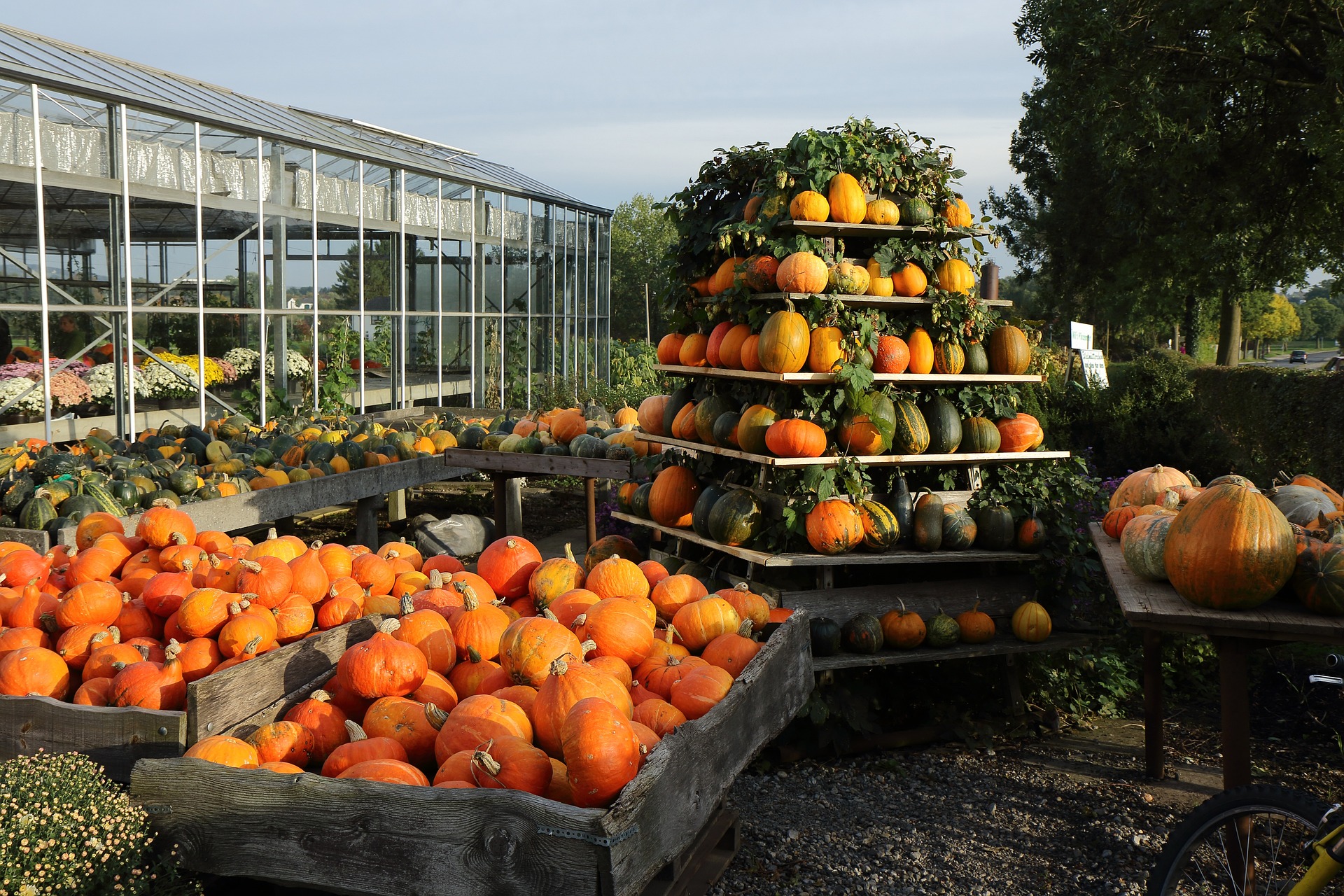
50 fall content ideas that will help you grow your audience this season
Sign Up For Our Newsletter
Case Studies
Jul. 05, 2026
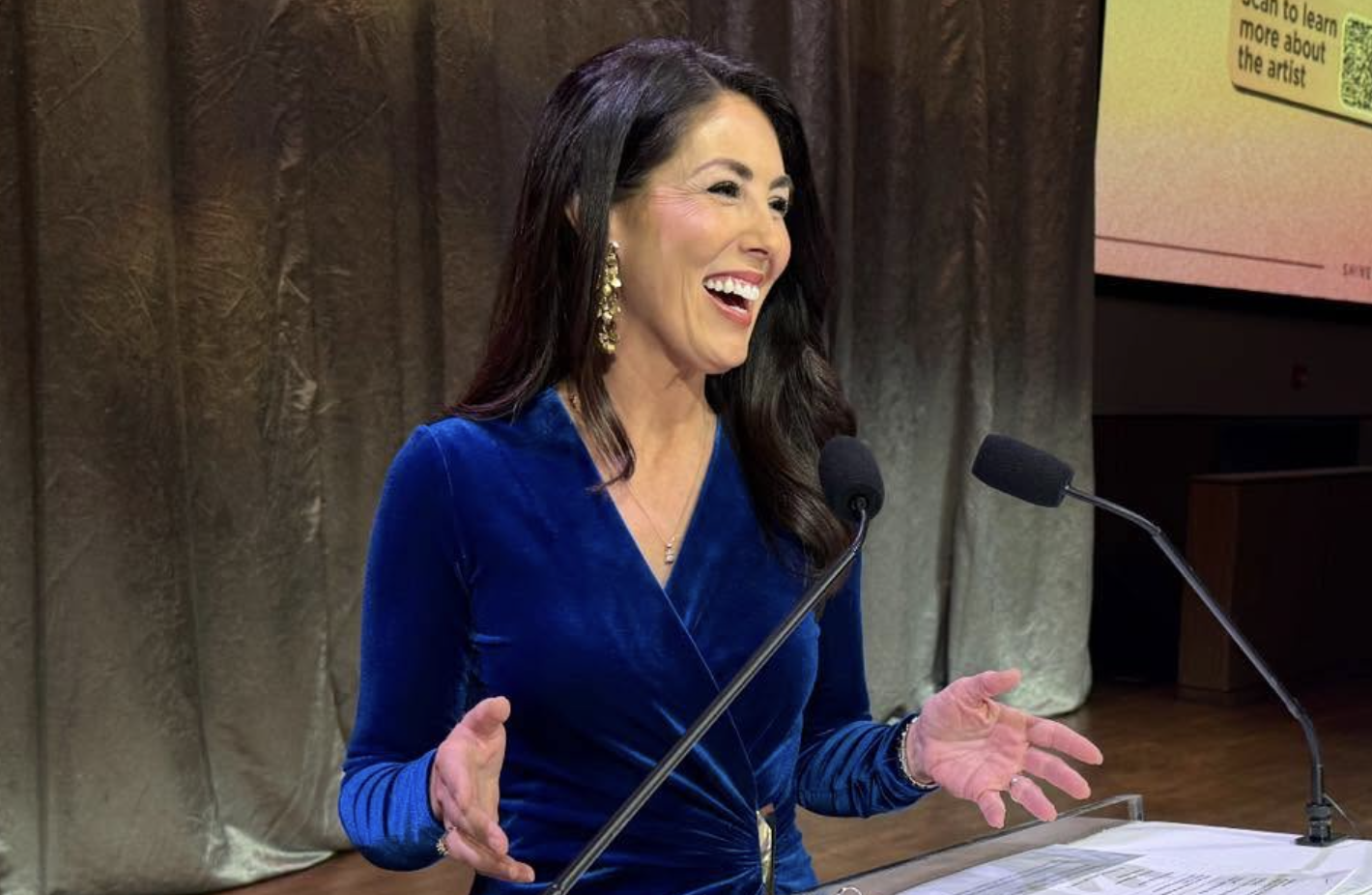
The Reels strategy helping one TV news anchor grow her audience

May. 27, 2026
How Pittsburgh Magazine created AI workflows their teams are now regularly using

Mar. 16, 2026
How a unique training program is helping a university newspaper learn the digital skills newsrooms need

Jul. 30, 2025
How analytics can make your content better and your sales case studies really effective

Feb. 06, 2025