
I asked ChatGPT to review my recent client emails this week and share the topics people were asking me about most. I assumed AI would be the top topic, but I was surprised to see just how many SEO questions it found.
They were things like how long stories should be and how to handle updates. So I thought I’d address some of those questions for my overall newsletter audience today, since they may be relevant to your team, too.
By the way, using AI to find questions in your inbox is a great use of an LLM. I’ve connected my Google tools to my ChatGPT account so I can manage my calendar, check which emails still need a response and do things like tap into what people are actually asking me. If you have those connections available, it’s worth trying.
But first two webinars: Before I get started, I do want to call out two upcoming webinars. I’m leading our second webinar in our Audience Growth Series, SEO for the AI Era, on Wednesday, Oct. 14, at noon Central. Registration information is available on our website. Here’s a story that explains what we’ll cover.
And I want to bring your attention to a webinar from my friend Kenny Katzgrau, the creator of Broadstreet, on crushing your digital goals in 2027. It will be a good one. Sign up here.
Which links should we include in fall stories?
Related content has always been important to feature in stories to help readers find more coverage, but it’s especially useful in seasonal and evergreen content.
If you have fall content, like festival guides or Halloween listings, go ahead and naturally work in something like this where it fits, often in the third or fourth paragraph:
There’s plenty more fall fun to go around. Find the best pumpkin patches and apple picking spots near Detroit, or see everything in our fall family guide.
To help choose which guides to feature, look in your Google Search Console to see which stories are gaining in search clicks and impressions. Linking to those guides from related stories helps Google understand how your coverage connects.
Why are dates in leads important?
Dates are particularly important for things to do stories, as they help the reader understand if they can still attend those events.
That’s why, if you do a things to do this weekend story, make sure you note the actual dates in the first sentence or two, rather than relying only on “this weekend.”
Include the year in the story and SEO title when it helps readers know they’re getting current information, such as the 2026 school rankings. For guides you update annually, leave the year out of the URL so you can refresh the same page each year.
What’s Google’s latest guidance about AEO?
Google’s guidance says original reporting and information readers find useful are still key to getting stories seen in AI Overviews.
Clearly organized pages really do matter. That means your reporting has to go beyond just telling a story to presenting information in a way that readers can digest easily.
You should be using clear headings and bullets where they make sense, with related photos, videos and other embeds that help explain the topic and keep the reader engaged.
How do social posts, videos show up in search?
You may not realize that your social posts and videos can show up in Google search results now, and there are things you can do to help people find them.
If you’re posting a Reel from a pumpkin patch, name the farm and city in the caption and explain what the video covers, such as “Pumpkin picking at [farm name] near Cleveland: admission, hours and activities for kids.”
Use a similar title on YouTube instead of something general like “Our fall adventure.” And always look for opportunities to embed this content so video is showing up in the high-trafficked guides.
How long should a story be for SEO?
I know the view in the past was that really detailed longform blogs won the day in Google Search. But Google says there’s no magic word count, and length alone doesn’t determine rankings.
I wouldn’t make every post 100 words, but write for the reader, which means that if the story needs to be 400 words, then make it 400 words. If it really needs to be 700, then do that.
The most important thing is making sure you answer your reader’s questions and provide useful and original information.
Need help growing audience and revenue?
🚀 Want to know how you can work with us? This page outlines our services, approach, current clients and more.
🌐 Follow our LinkedIn and Instagram pages to stay up to date on the latest in media, our blogs and recommendations.
📬 Sign up for our monthly LinkedIn newsletter which provides company updates, tips and more.
👋 You can always drop me a note by responding to this email, emailing david@davidarkinconsulting.com or calling 832 407 0188.
We'd love to help your organization! Fill out the form below to get started.
Recent Posts
Oct. 20, 2026
How to handle 5 everyday SEO decisions in your newsroom

Oct. 20, 2026
Here’s a practical publisher guide to re-engaging newsletter readers

Oct. 20, 2026
The old Facebook playbook isn’t working. What should you do now?

Sep. 25, 2026
How publishers can build AI workflows their teams will use

Sep. 25, 2026
Webinar: What publishers need to know about SEO in the AI era
Sign Up For Our Newsletter
Case Studies
Jul. 05, 2026
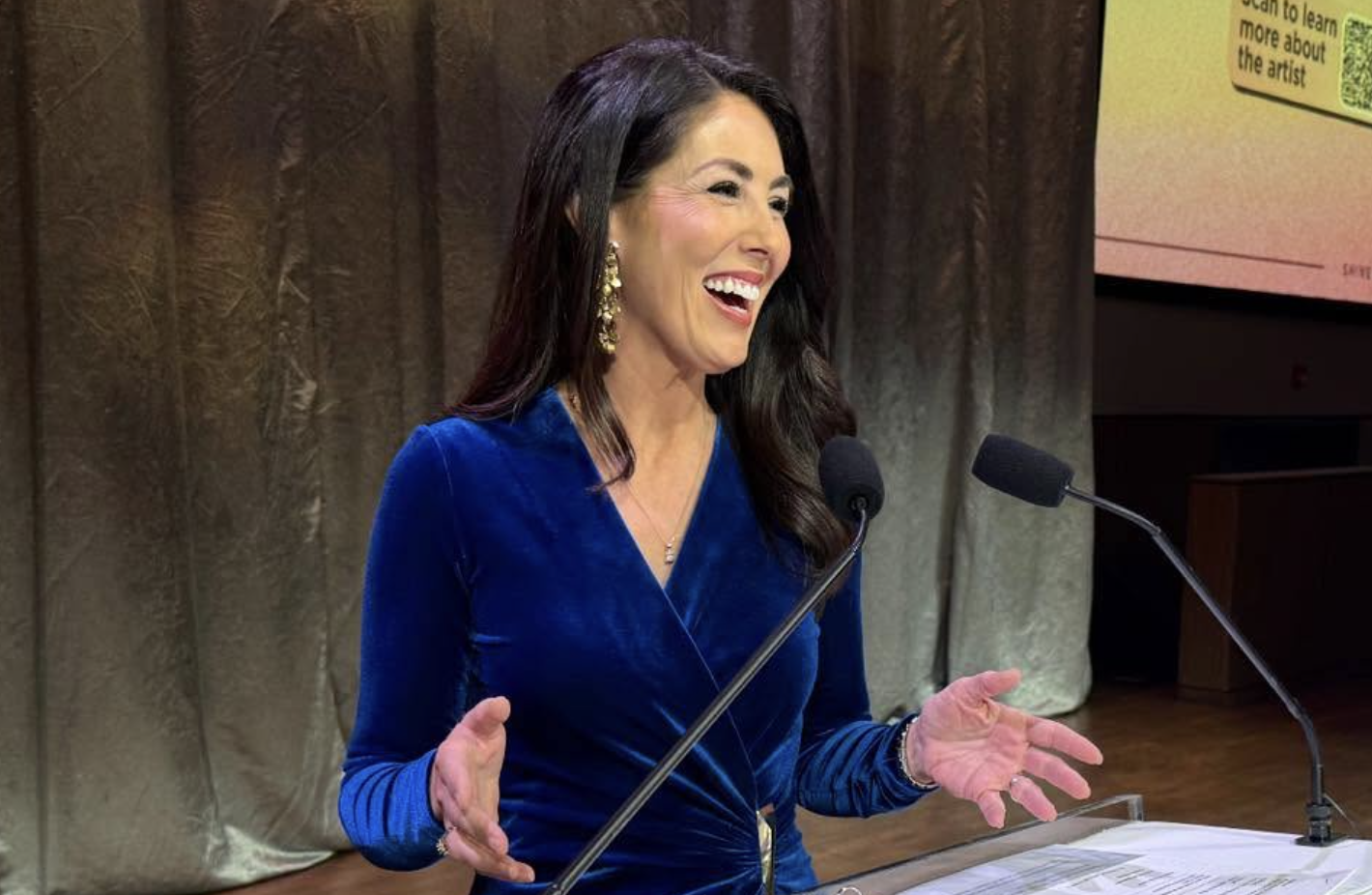
The Reels strategy helping one TV news anchor grow her audience

May. 27, 2026
How Pittsburgh Magazine created AI workflows their teams are now regularly using

Mar. 16, 2026
How a unique training program is helping a university newspaper learn the digital skills newsrooms need

Jul. 30, 2025
How analytics can make your content better and your sales case studies really effective

Feb. 06, 2025